📜 History of Astrology


Astrology developed over long periods of time alongside early human observation of the natural environment. Ancient societies closely monitored the movement of celestial bodies as part of their efforts to understand seasonal cycles, timekeeping, and environmental patterns. These observations were often recorded in written or symbolic form and shared within communities as reference material. In many cultures, the sky served as a visual framework for organising calendars and communal activities. Astrology in this early context functioned primarily as a descriptive system rather than a personal interpretive tool. Its role was closely connected to education, record-keeping, and cultural continuity. Over time, these descriptive systems became embedded in broader cultural traditions. They provided a shared language for discussing time and natural change. This foundation influenced how later societies documented and organised celestial knowledge.

🗺️ Transmission Across Regions and Traditions

As societies expanded and interacted, astrological ideas were transmitted across regions through trade, scholarship, and translation of texts. Different cultures adapted shared concepts to their own languages, symbols, and traditions. Over time, this led to the development of distinct systems that nevertheless shared similar structural elements, such as divisions of time and symbolic groupings. Astrology texts were often studied alongside mathematics, philosophy, and astronomy. This period of transmission contributed to the standardisation of many terms still recognised today. The historical process highlights how astrology evolved through cultural exchange rather than isolated development. Written compilations helped preserve consistency across generations. Educational institutions played a role in copying and interpreting key texts. Variations between regions reflected local customs and priorities. Despite these differences, core structural ideas remained comparable. This process demonstrates how knowledge systems were shaped by both continuity and adaptation. As methods of documentation improved, written records became more widely accessible. Translation efforts enabled concepts to circulate beyond their original cultural settings. Commentary texts were often added to clarify earlier works. This layering of interpretation contributed to long-term preservation of structure. Over time, astrology became embedded within broader intellectual traditions. Scholars increasingly referenced earlier sources to maintain coherence across interpretations. Shared terminology supported communication between different centres of learning. The accumulation of texts created a stable reference base. This foundation influenced how later summaries and educational materials were organised. Over time, this treatment supported a more academic and contextual understanding of astrology. It positioned the subject as part of historical discourse rather than practical application.

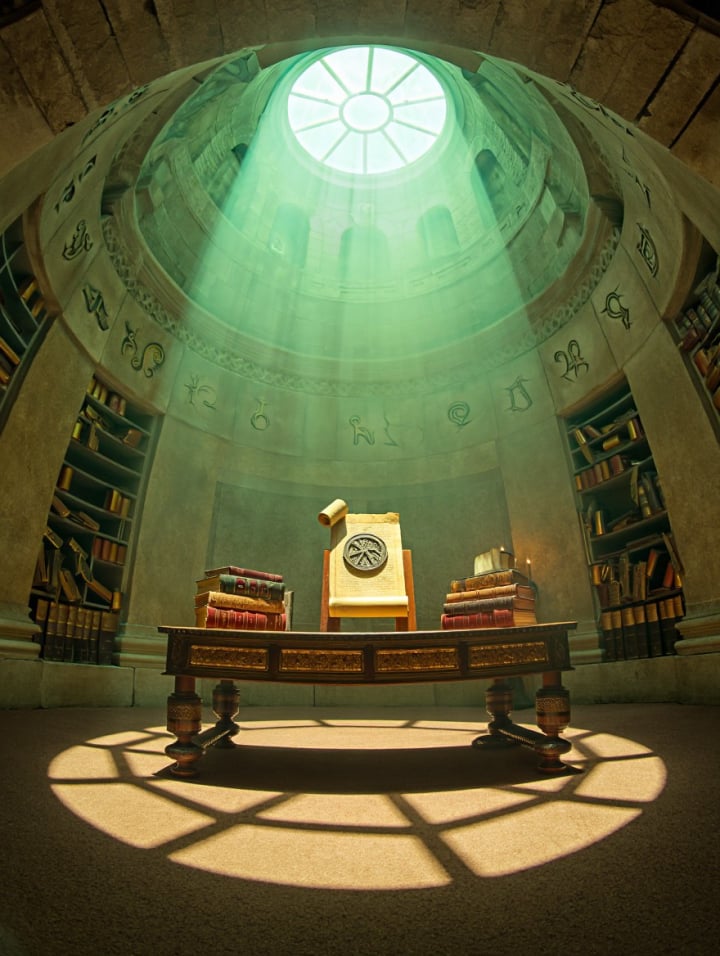
The role of astrology in historical learning materials and literature.

📚 Astrology in Education and Literature

Throughout history, astrology appeared in educational and literary contexts as a framework for discussing order, time, and symbolism. Manuscripts, almanacs, and reference books commonly included astrological sections alongside practical information. These materials were designed to be consulted rather than acted upon directly. Astrology was often presented as part of a broader body of knowledge rather than as a standalone discipline. The emphasis was on explanation and categorisation, not on individual outcomes. This approach helped astrology persist as a subject of study even as scientific methods advanced. Educational texts frequently placed astrology within larger compilations that addressed multiple fields of learning. Readers encountered astrological concepts as part of general reference material rather than specialised instruction. The subject was used to illustrate systems of classification and symbolic language. In many cases, it supported discussions of calendars, seasonal organisation, and historical chronology. Literary works also referenced astrological ideas to convey structure and thematic order. Such references were often metaphorical or illustrative in nature. This contextual use reinforced astrology’s role as a descriptive framework. Its continued presence reflected its adaptability within changing intellectual environments.

© Copyright 2026 Noctavelora - All Rights Reserved

Cookie icon

This website uses only strictly necessary cookies that are essential for basic functionality, security, and proper operation of the website.
These cookies are not intended for direct identification, and this message is provided for informational purposes only.
No cookies are used for analytics, tracking, profiling, or advertising purposes.
Personal data is not collected, sold, or shared with third parties through cookies, in accordance with applicable data protection laws and Google advertising policies.

Please review our
Cookie Policy and Privacy Policy.